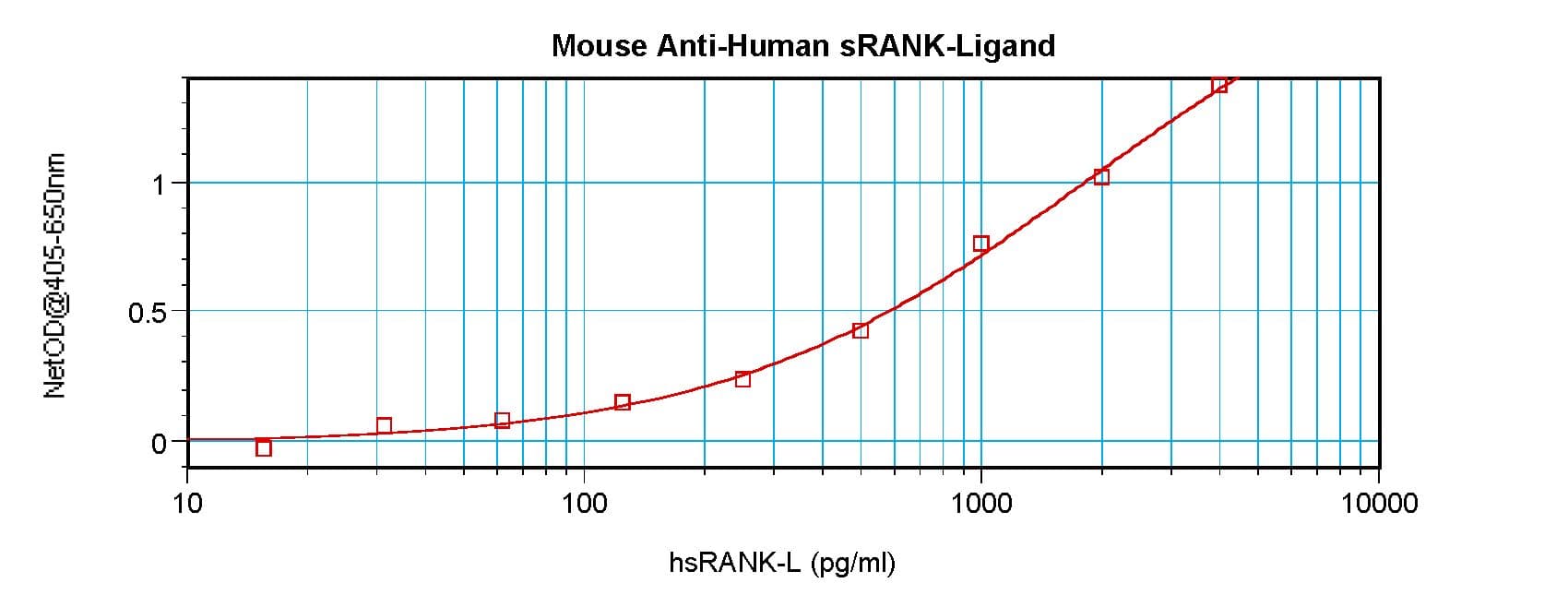
TNFSF11 / RANKL / TRANCE Antibody
Catalog Number: LS-C104835-500
500 µg / $333.00
Antibody: Mouse Monoclonal
Applications: Enzyme-Linked Immunosorbent Assay
Reactivity: Human
Format: Lyophilized

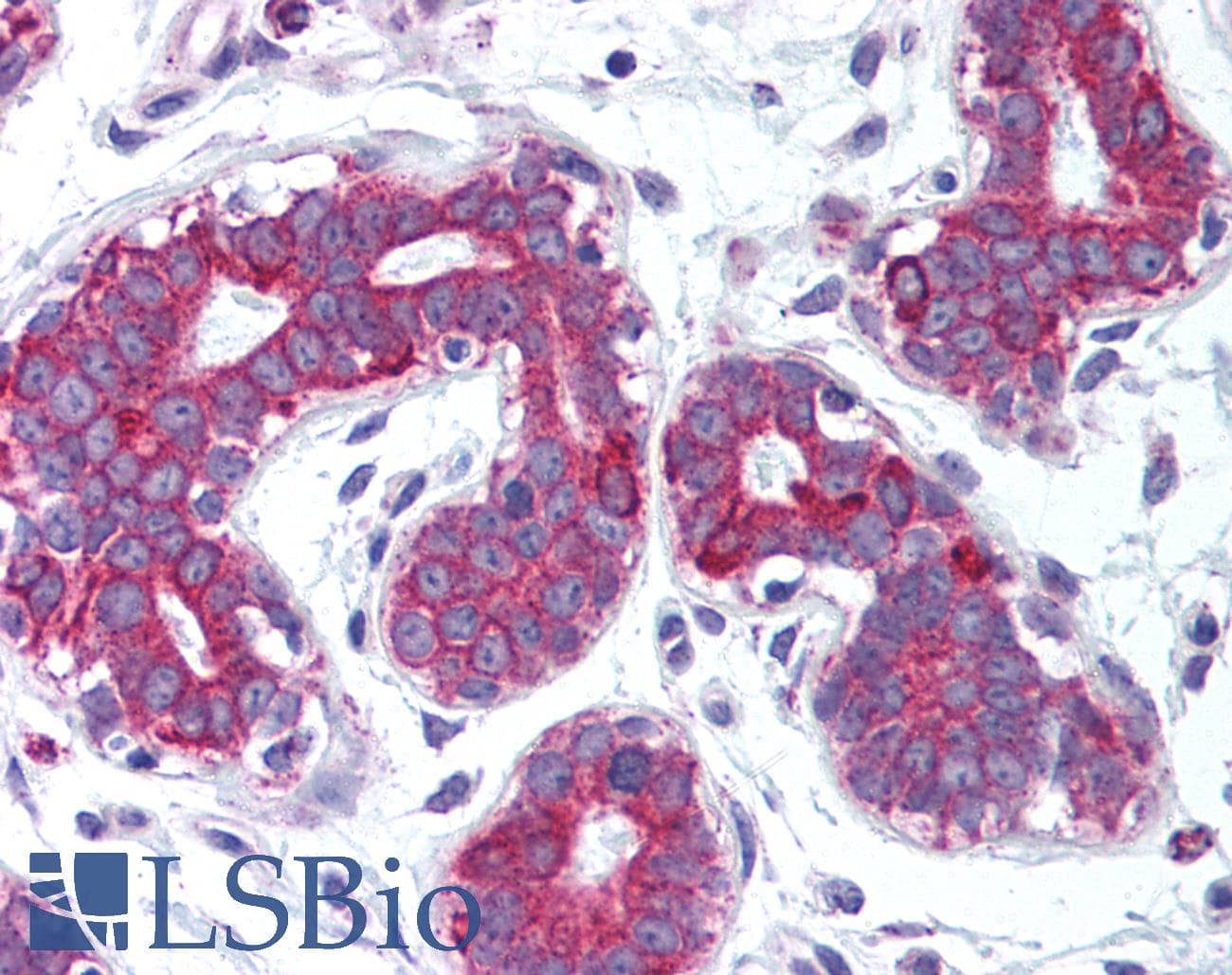
Anti-RANKL antibody IHC of human breast. Immunohistochemistry of formalin-fixed, paraffin-embedded tissue after heat-induced antigen retrieval. Antibody concentration 5 ug/ml.
| Antibody: | Rabbit Polyclonal |
| Applications: | Enzyme-Linked Immunosorbent Assay, Immunohistochemistry (general), Immunohistochemistry, Paraffin, Western Blot |
| Reactivity: | Human, Mouse, Rat |
| Format: | Liquid |
For bulk orders or custom formulations:
Request a QuoteCatalog Number: LS-C104835-500
500 µg / $333.00
Antibody: Mouse Monoclonal
Applications: Enzyme-Linked Immunosorbent Assay
Reactivity: Human
Format: Lyophilized
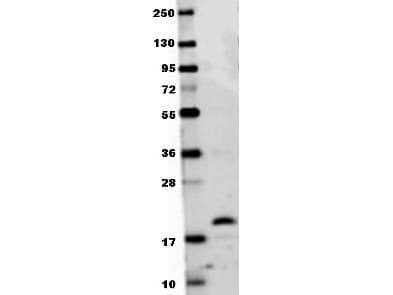
Catalog Number: LS-C154136-100
100 µg (1 mg/mL) / $579.00
Antibody: Rabbit Polyclonal
Applications: Enzyme-Linked Immunosorbent Assay, Western Blot
Reactivity: Mouse
Format: Lyophilized
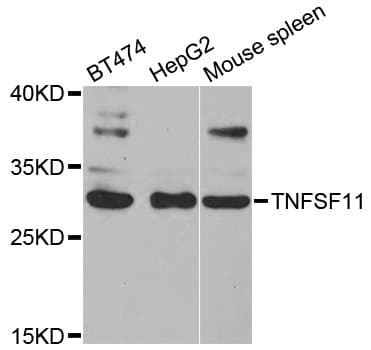
Catalog Number: LS-C332159
2 sizes / from $281.00
Antibody: Rabbit Polyclonal
Applications: Immunofluorescence, Immunohistochemistry (general), Western Blot
Reactivity: Human, Mouse
Format: Liquid
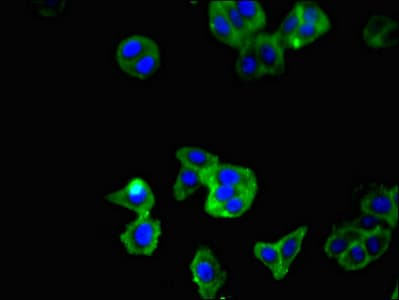
Catalog Number: LS-C400163
2 sizes / from $300.00
Antibody: Rabbit Polyclonal
Applications: Enzyme-Linked Immunosorbent Assay
Reactivity: Mouse
Format: Liquid

Catalog Number: LS-C488896
2 sizes / from $164.00
Antibody: Rabbit Polyclonal
Applications: Enzyme-Linked Immunosorbent Assay, Immunoprecipitation, Western Blot
Reactivity: Human
Format: Liquid
Catalog Number: LS-C488898-100
100 µL / $309.00
Antibody: Rabbit Polyclonal
Applications: Western Blot
Reactivity: Human
Format: Liquid
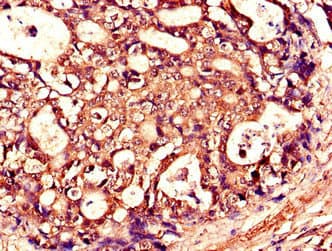
Catalog Number: LS-C499950
2 sizes / from $300.00
Antibody: Rabbit Polyclonal
Applications: Enzyme-Linked Immunosorbent Assay, Immunofluorescence, Immunohistochemistry (general)
Reactivity: Human
Format: Liquid
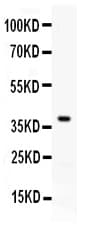
Catalog Number: LS-C662303-100
100 µg / $480.00
Antibody: Rabbit Polyclonal
Applications: Enzyme-Linked Immunosorbent Assay, Western Blot
Reactivity: Rat
Format: Lyophilized
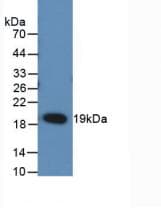
Catalog Number: LS-C663634
6 sizes / from $319.00
Antibody: Mouse Monoclonal
Applications: Western Blot
Reactivity: Human, Rat
Format: Liquid
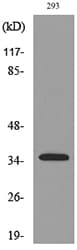
Catalog Number: LS-C743203
2 sizes / from $341.00
Antibody: Rabbit Polyclonal
Applications: Enzyme-Linked Immunosorbent Assay, Western Blot
Reactivity: Human, Mouse, Rat
Format: Liquid
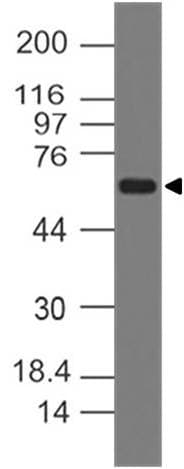
Catalog Number: LS-C783055-25
25 µg (0.5 mg/mL) / $294.00
Antibody: Mouse Monoclonal
Applications: Flow Cytometry, Western Blot
Reactivity: Human
Format: Liquid
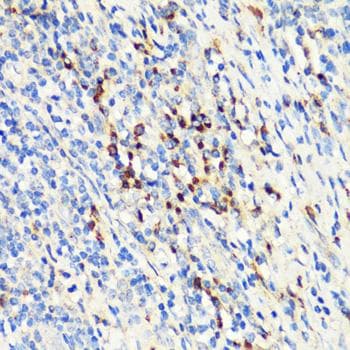
Catalog Number: LS-C833926
3 sizes / from $338.00
Antibody: Rabbit Polyclonal
Applications: Immunohistochemistry (general)
Reactivity: Human, Mouse
Format: Liquid
Catalog Number: LS-C211869
2 sizes / from $300.00
Antibody: Rabbit Polyclonal
Applications: Enzyme-Linked Immunosorbent Assay, Immunohistochemistry (general), Western Blot
Reactivity: Human
Format: Liquid
Catalog Number: LS-C488895-100
100 µL / $309.00
Antibody: Rabbit Polyclonal
Applications: Enzyme-Linked Immunosorbent Assay
Reactivity: Human
Format: Liquid
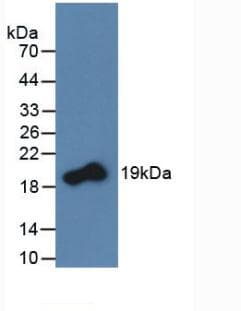
Catalog Number: LS-C663637
6 sizes / from $319.00
Antibody: Mouse Monoclonal
Applications: Western Blot
Reactivity: Rat
Format: Liquid
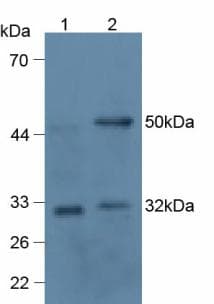
Catalog Number: LS-C663760
6 sizes / from $319.00
Antibody: Mouse Monoclonal
Applications: Western Blot
Reactivity: Human, Rat
Format: Liquid
Catalog Number: LS-C748612
2 sizes / from $281.00
Antibody: Rabbit Polyclonal
Applications: Immunofluorescence, Immunohistochemistry (general), Western Blot
Reactivity: Human, Mouse, Rat
Format: Liquid
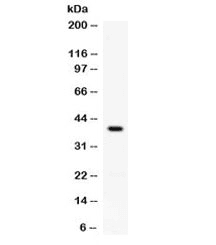
Catalog Number: LS-C781785-100
100 µg / $587.00
Antibody: Rabbit Polyclonal
Applications: Enzyme-Linked Immunosorbent Assay, Western Blot
Reactivity: Mouse, Rat
Format: Lyophilized
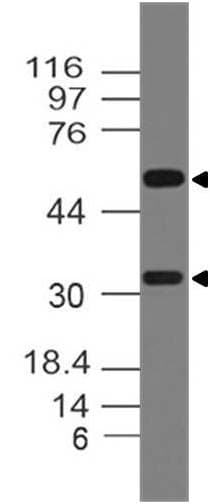
Catalog Number: LS-C783045-25
25 µg (0.5 mg/mL) / $294.00
Antibody: Mouse Monoclonal
Applications: Flow Cytometry, Western Blot
Reactivity: Human, Mouse
Format: Liquid
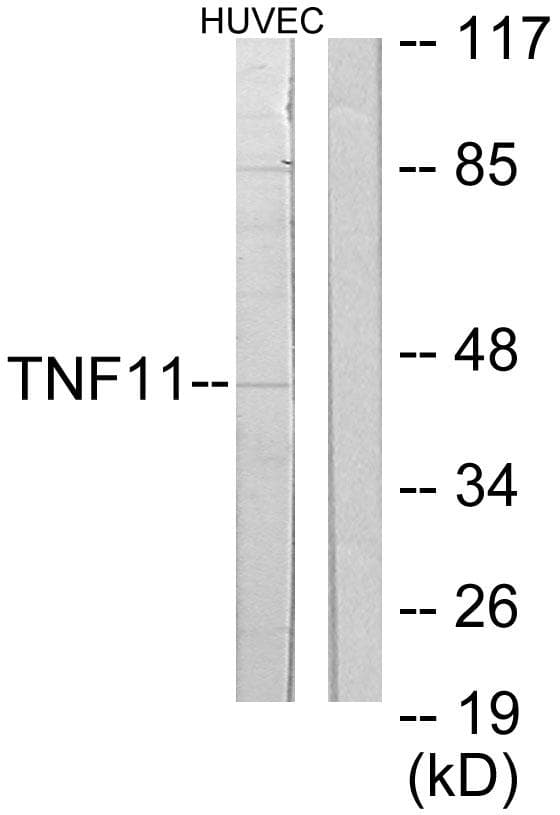
Catalog Number: LS-C826870-100
100 µg / $365.00
Antibody: Rabbit Polyclonal
Applications: Enzyme-Linked Immunosorbent Assay, Immunofluorescence, Western Blot
Reactivity: Human, Mouse
Format: Liquid