

order histories, retained contact details for faster checkout, review submissions, and special promotions.
Forgot password?
order histories, retained contact details for faster checkout, review submissions, and special promotions.
Locations
Orders Processing,
Shipping & Receiving,
Warehouse
2 Shaker Rd Suites
B001/B101
Shirley, MA 01464
Production Lab
Floor 6, Suite 620
20700 44th Avenue W
Lynnwood, WA 98036
Telephone Numbers
Tel: +1 (206) 374-1102
Fax: +1 (206) 577-4565
Contact Us
Additional Contact Details
order histories, retained contact details for faster checkout, review submissions, and special promotions.
Forgot password?
order histories, retained contact details for faster checkout, review submissions, and special promotions.


Leaders in Immunohistochemistry Validated Antibodies
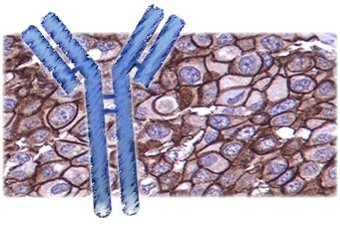
We have a collection of 509,485 monoclonal and polyclonal antibodies to most target proteins. They cover all major research species, applications, and are available in multiple conjugated forms. Our IHC-plus™ antibodies are highly characterized for use in FFPE human tissue Immunohistochemistry.
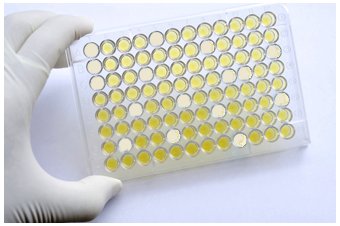
Our traditional Sandwich, Competitive EIA, and Direct ELISA kits provide a means to quantitatively measure thousands of targets of interest, while our Cell-Based and DNA-Binding ELISA kits are ideal for in-vitro studies and transcription factor analysis. Chemiluminescent CLIA kits provide high-sensitivity detection of low-copy targets and our Development kits enable researchers to cost-effectively run large numbers of assays. Our growing collection of Assay kits provide researchers with the means to monitor a variety of biological processes, such as apoptosis, cell proliferation, metabolism, and more.
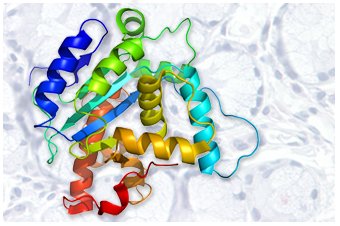
Proteins can be used in a wide variety of applications, such as for the development of functional assays, small-molecule screening, receptor activation in-situ, or simply as controls for a Western Blot. We offer extracted native proteins and recombinant proteins in the form of cell lysates, or purified from bacterial or mammalian expression systems. Many proteins are bio-active and certified low-endotoxin.
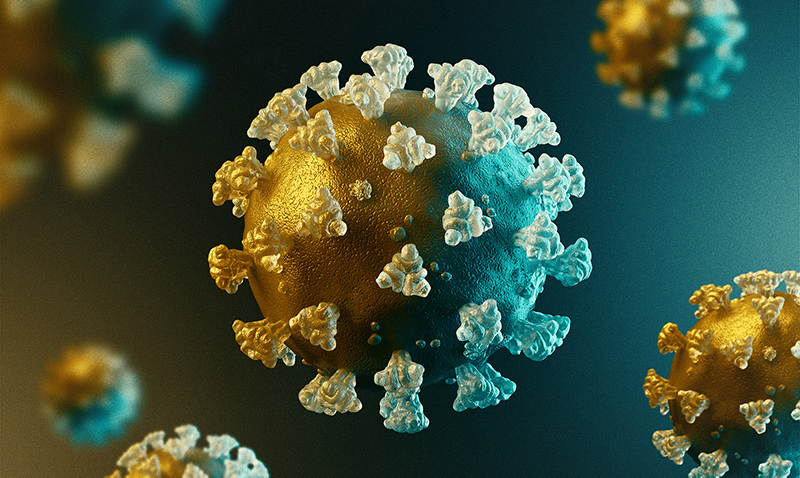
LSBio offers antibodies, proteins, ELISA and assay kits, biochemicals, and molecular biology products for studying the most important viruses and viral disease. Our reagents are used to investigate the life cycle, create diagnostics, and screen for novel therapeutics for pathogens such as Coronaviruses, Influenza, Herpes viruses, Papillomaviruses, or Hepatitis viruses, as well as many other viruses that cause human and animal diseases. Search for your specific virus to find a complete list of products available in your area of research.
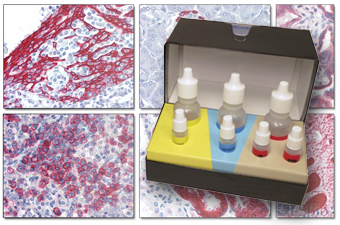
LSBio offers all of the components needed to design and execute custom Immunohistochemistry experiments, from antigen retrieval to coverslipping. High-quality, trusted brand blocking agents, detection plumers and Avidin-Biotin systems for AP or HRP substrate development. Make a challenging project easy with our mouse-on-mouse, and multi-plex detection systems.