LSBio
PathPlus™ CTNNB1 / Beta Catenin Antibody (clone CTNNB1/2030R)

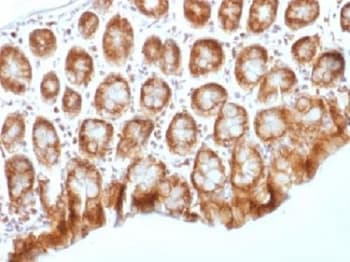
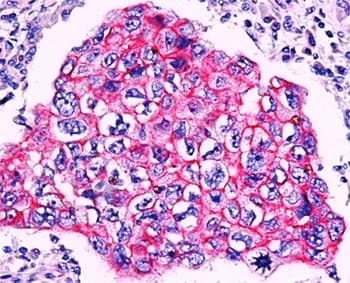
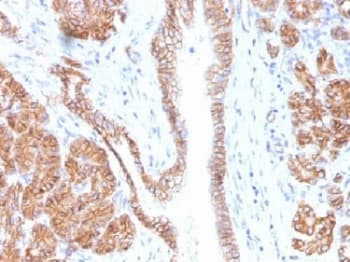
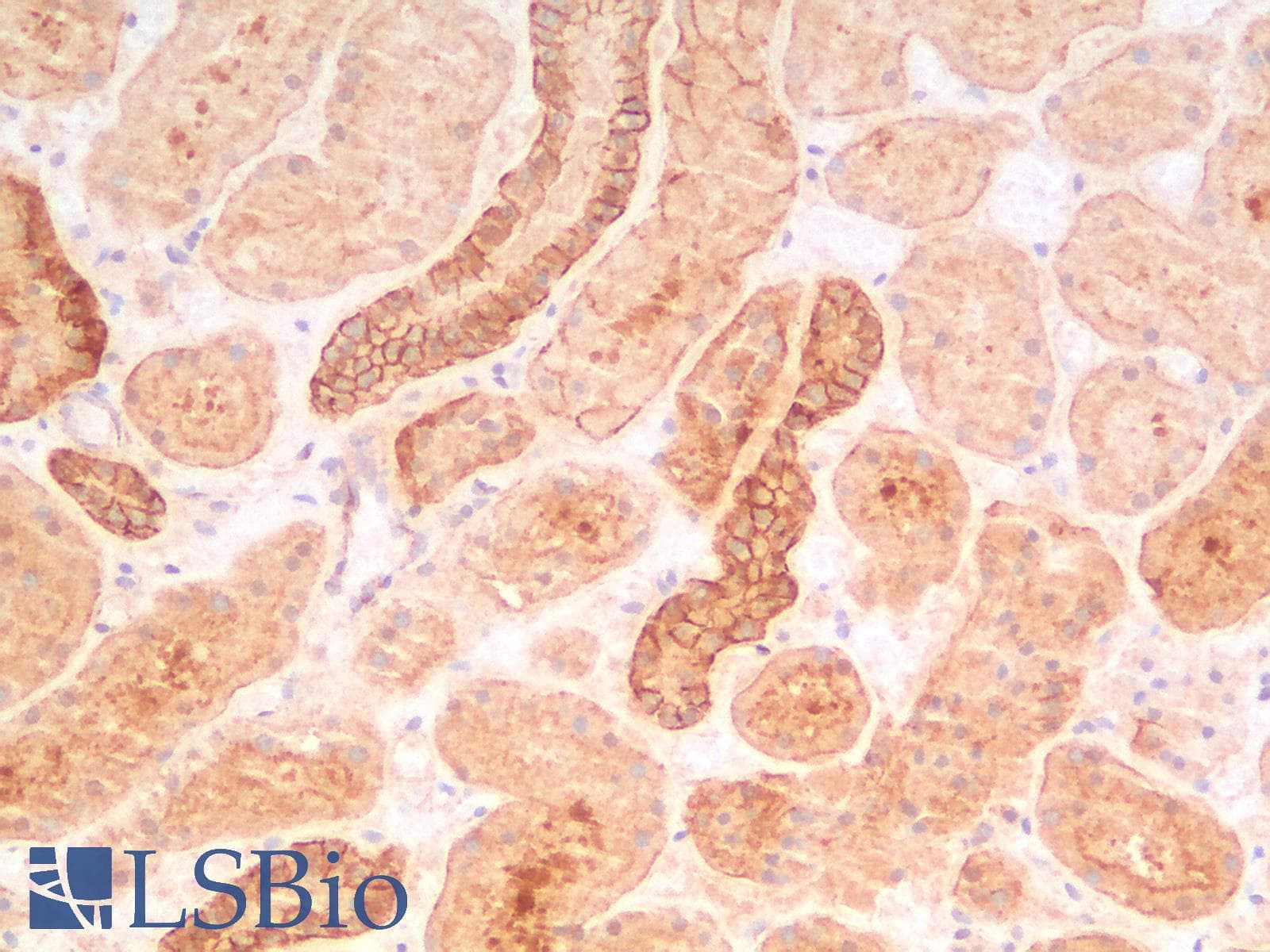
Human Kidney: Formalin-Fixed, Paraffin-Embedded (FFPE)

PathPlus™ CTNNB1 / Beta Catenin Antibody (clone CTNNB1/2030R)

Primary AntibodyLSBio Guarantee
Antibody:Rabbit Recombinant Monoclonal
Applications:Flow Cytometry, Immunofluorescence, Immunohistochemistry (general), Immunohistochemistry, Paraffin, Western Blot
Reactivity:Human
Format:Liquid
See all CTNNB1 / Beta Catenin antibodies →
$536.00each
Catalog Number: LS-B16275-100

For bulk orders or custom formulations:

Request a Quote

Overview

Description
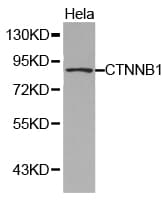
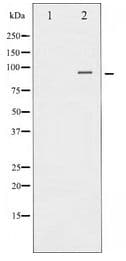
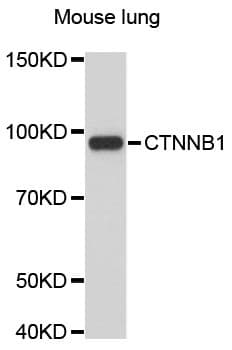
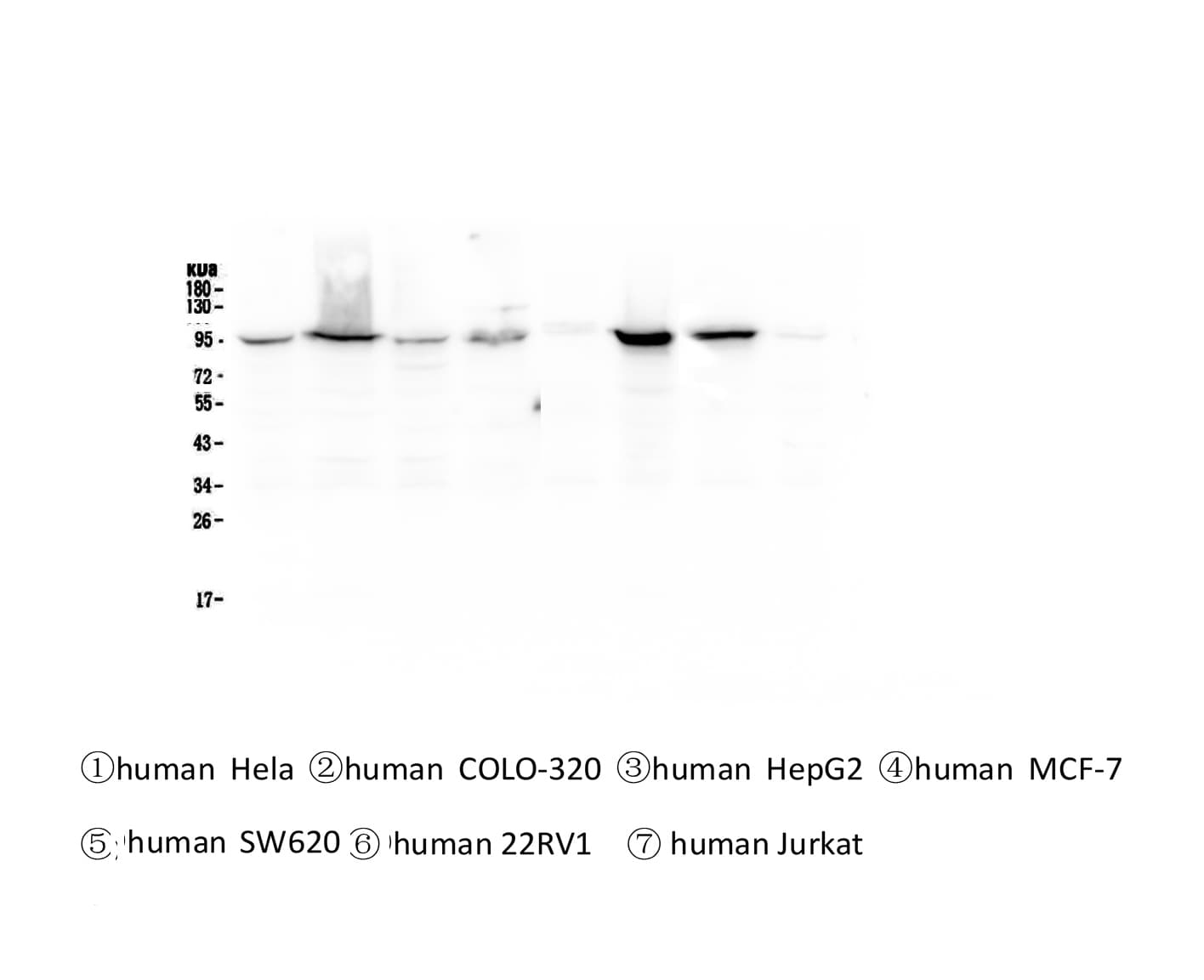
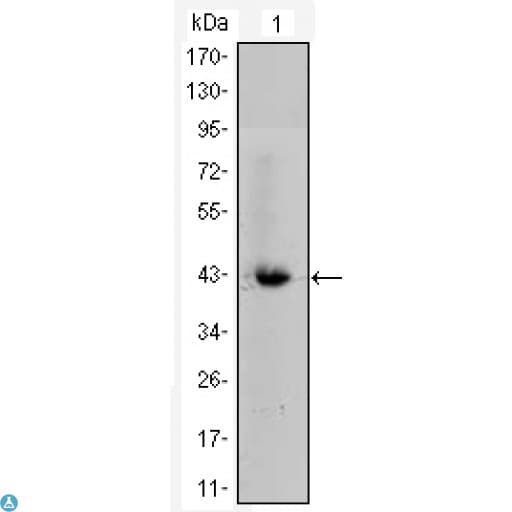
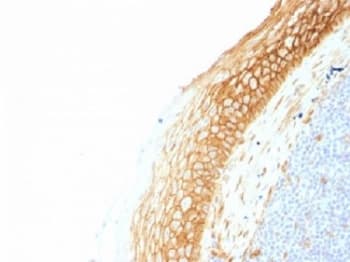
Beta Catenin antibody LS-B16275 is an unconjugated rabbit recombinant monoclonal antibody to human Beta Catenin (CTNNB1). Validated for Flow, IF, IHC and WB.
Application
FC, IF, IHC, IHC-P, WB
Reactivity
Hu
Intended Use
Research Use Only
Guarantees
This product carries the LSBio 100% Guarantee.
Category
Antibodies > Primary Antibodies > Recombinant Antibodies
Alternative Names
Beta-catenin | Catenin beta-1 | CTNNB | CTNNB1 | Beta Catenin
Recommended Dilution: FC
1 - 2 µg/10E6 cells
Recommended Dilution: IF/ICC
1 - 2 µg/ml
Recommended Dilution: IHC-P
1:100
Recommended Dilution: WB
1 - 2 µg/ml
UniProt Number
P35222
SwissProt
P35222

Target

Target
CTNNB1 / Beta Catenin
Antigen Species
Human
Specificity
Beta-catenin associates with the cytoplasmic portion of E-cadherin, which is necessary for the function of E-cadherin as an adhesion molecule. In normal tissues, beta-catenin is localized to the membrane of epithelial cells, consistent with its role in the cell adhesion complex. In breast ductal neoplasia, beta-catenin is usually localized in cellular membranes. However, in lobular neoplasia, a marked redistribution of beta-catenin throughout the cytoplasm results in a diffuse cytoplasmic pattern. Immuno-staining of beta-catenin and E-cadherin is helps in the accurate identification of ductal and lobular neoplasms, including a distinction between low-grade ductal carcinoma in situ (DCIS) and lobular carcinoma. Additionally, some rectal and gastric adenocarcinomas demonstrate diffuse cytoplasmic beta-catenin staining and a lack of membranous staining, mimicking the staining pattern observed with lobular breast carcinomas.
Epitope
Beta-catenin associates with the cytoplasmic portion of E-cadherin, which is necessary for the function of E-cadherin as an adhesion molecule. In normal tissues, beta-catenin is localized to the membrane of epithelial cells, consistent with its role in the cell adhesion complex. In breast ductal neoplasia, beta-catenin is usually localized in cellular membranes. However, in lobular neoplasia, a marked redistribution of beta-catenin throughout the cytoplasm results in a diffuse cytoplasmic pattern. Immuno-staining of beta-catenin and E-cadherin is helps in the accurate identification of ductal and lobular neoplasms, including a distinction between low-grade ductal carcinoma in situ (DCIS) and lobular carcinoma. Additionally, some rectal and gastric adenocarcinomas demonstrate diffuse cytoplasmic beta-catenin staining and a lack of membranous staining, mimicking the staining pattern observed with lobular breast carcinomas.
Gene Name
CTNNB1

Antibody

Host Species
Rabbit
Clonality
Recombinant Monoclonal
Clone
CTNNB1/2030R
Origin Species
Human

Immunogen

Immunogen
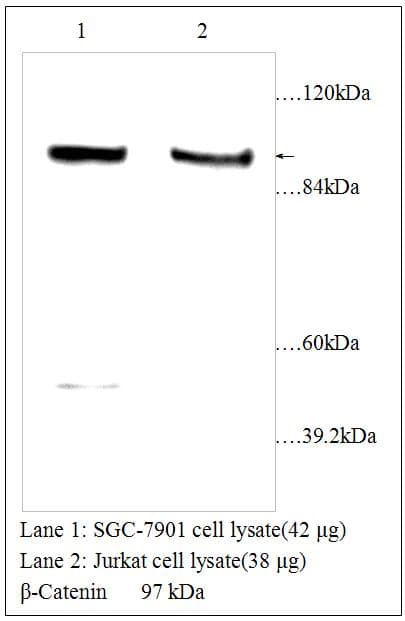
Recombinant full-length human beta-catenin protein. Antigen Molecular Weight: 92 kDa
Immunogen Type
Full-Length Recombinant Protein

Format

Conjugate/Label
Unconjugated
Format
Liquid
Formulation
10 mM PBS, 0.05% BSA, 0.05% Sodium Azide
Concentration
200 µg/mL
Animal Free
No
Carrier-Free
No
Preservative
Yes
Purification Method
Protein A Affinity

Storage & Handling

Storage Conditions
Store at 2°C to 8°C for up to 2 years.
Recommended Storage Buffer
10 mM PBS

Request SDS/MSDS

To request an SDS/MSDS form for this product, please contact our Technical Support department at: technical@vectorlabs.com.