
Monoclonal Rat anti-Mouse CD90.2 (Mouse) Antibody (clone 30H12, AF647)
Catalog Number: LS-C810655
2 sizes / from $259.00
Antibody: Rat Monoclonal
Applications: Flow Cytometry
Reactivity: Mouse
Format: Liquid

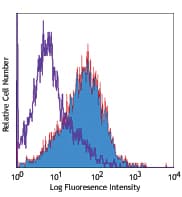
Human Fas Ligand transfected cells stained with purified NOK-1, followed by biotinylated anti-mouse IgG and Sav-PE
| Antibody: | Mouse Monoclonal |
| Applications: | Flow Cytometry, Immunocytochemistry, Immunofluorescence, Immunohistochemistry (general), Immunoprecipitation |
| Reactivity: | Human |
| Format: | Liquid |
For bulk orders or custom formulations:
Request a QuoteHuman circulating CD4+CD25highFoxp3+ regulatory T cells kill autologous CD8+ but not CD4+ responder cells by Fas-mediated apoptosis. Strauss L, Bergmann C, Whiteside TL. Journal of immunology (Baltimore, Md. : 1950). 2009;182:1469-80.
PubMed: 19155494
Lipopolysaccharide can trigger a cathepsin B-dependent programmed death response in human endothelial cells. Li JH, D'Alessio A, Pober JS. The American journal of pathology. 2009;175:1124-35.
PubMed: 19661440 · PMC: PMC2731131
Intensive resistance exercise induces lymphocyte apoptosis via cortisol and glucocorticoid receptor-dependent pathways. Krger K, Agnischock S, Lechtermann A, Tiwari S, Mishra M, Pilat C, Wagner A, Tweddell C, Gramlich I, Mooren FC. Journal of applied physiology (Bethesda, Md. : 1985). 2011;110:1226-32.
PubMed: 21393471
Efficient Nef-mediated downmodulation of TCR-CD3 and CD28 is associated with high CD4+ T cell counts in viremic HIV-2 infection. Khalid M, Yu H, Sauter D, Usmani SM, Schmokel J, Feldman J, Gruters RA, van der Ende ME, Geyer M, Rowland-Jones S, Osterhaus AD, Kirchhoff F. Journal of virology. 2012;86:4906-20.
PubMed: 22345473 · PMC: PMC3347365
Phenotypic and functional characterization of human T-cell subsets in response to influenza A viruses. Qin G, Liu Y, Zheng J, Xiang Z, Ng IH, Malik Peiris JS, Lau YL, Tu W. The Journal of infectious diseases. 2012;205:1646-53.
PubMed: 22457284
CD8+ T cells use TRAIL to restrict West Nile virus pathogenesis by controlling infection in neurons. Shrestha B, Pinto AK, Green S, Bosch I, Diamond MS. Journal of virology. 2012;86:8937-48.
PubMed: 22740407 · PMC: PMC3416144
Exercise delays neutrophil apoptosis by a G-CSF-dependent mechanism. Mooren FC, Vlker K, Klocke R, Nikol S, Waltenberger J, Krger K. Journal of applied physiology (Bethesda, Md. : 1985). 2012;113:1082-90.
PubMed: 22858628
Catalog Number: LS-C810655
2 sizes / from $259.00
Antibody: Rat Monoclonal
Applications: Flow Cytometry
Reactivity: Mouse
Format: Liquid
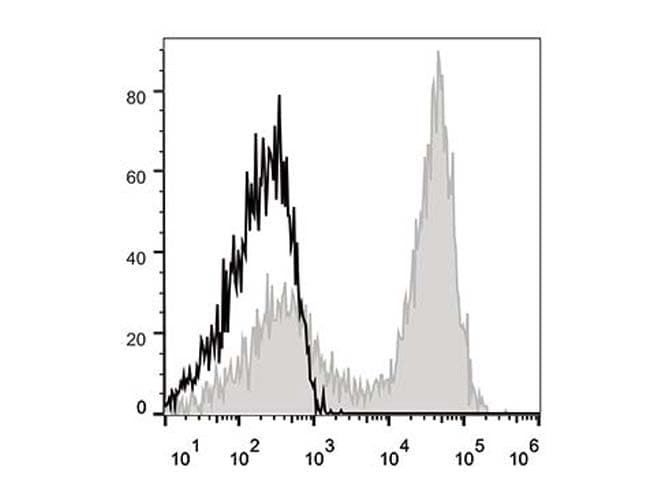
Catalog Number: LS-C810793
2 sizes / from $246.00
Antibody: Rat Monoclonal
Applications: Flow Cytometry
Reactivity: Mouse
Format: Liquid
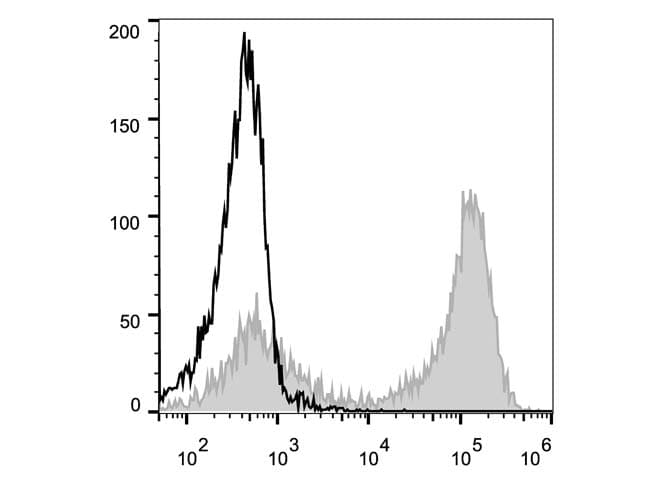
Catalog Number: LS-C811018
2 sizes / from $237.00
Antibody: Rat Monoclonal
Applications: Flow Cytometry
Reactivity: Mouse
Format: Liquid
Catalog Number: LS-C812155
3 sizes / from $232.00
Antibody: Rat Monoclonal
Applications: Flow Cytometry, Immunofluorescence
Reactivity: Mouse
Format: Liquid
Catalog Number: LS-C810634
2 sizes / from $243.00
Antibody: Rat Monoclonal
Applications: Flow Cytometry, Immunofluorescence
Reactivity: Mouse
Format: Liquid
Catalog Number: LS-C811894
3 sizes / from $232.00
Antibody: Rat Monoclonal
Applications: Flow Cytometry, Immunofluorescence
Reactivity: Mouse
Format: Liquid
Catalog Number: LS-C812296
4 sizes / from $231.00
Antibody: Rat Monoclonal
Applications: Flow Cytometry, Immunofluorescence, Immunohistochemistry (general)
Reactivity: Mouse
Format: Liquid
Catalog Number: LS-C811657
3 sizes / from $232.00
Antibody: Rat Monoclonal
Applications: Flow Cytometry, Immunofluorescence
Reactivity: Mouse
Format: Liquid
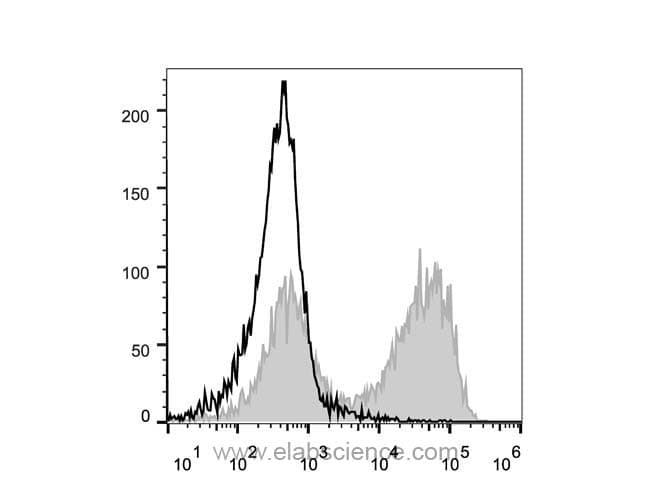
Catalog Number: LS-C811948
3 sizes / from $232.00
Antibody: Rat Monoclonal
Applications: Flow Cytometry, Immunofluorescence
Reactivity: Mouse
Format: Liquid
Catalog Number: LS-C811756
3 sizes / from $232.00
Antibody: Rat Monoclonal
Applications: Flow Cytometry, Immunofluorescence
Reactivity: Mouse
Format: Liquid

Catalog Number: LS-G133848
2 sizes / from $285.00
Expression System Escherichia coli (Prokaryotic)
Format: Lyophilized
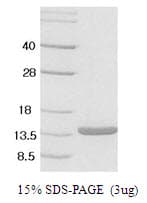
Catalog Number: LS-G3494
3 sizes / from $282.00
Expression System Escherichia coli (Prokaryotic)
Format: Liquid
Catalog Number: LS-G465
2 sizes / from $274.00
Expression System Escherichia coli (Prokaryotic)
Format: Lyophilized
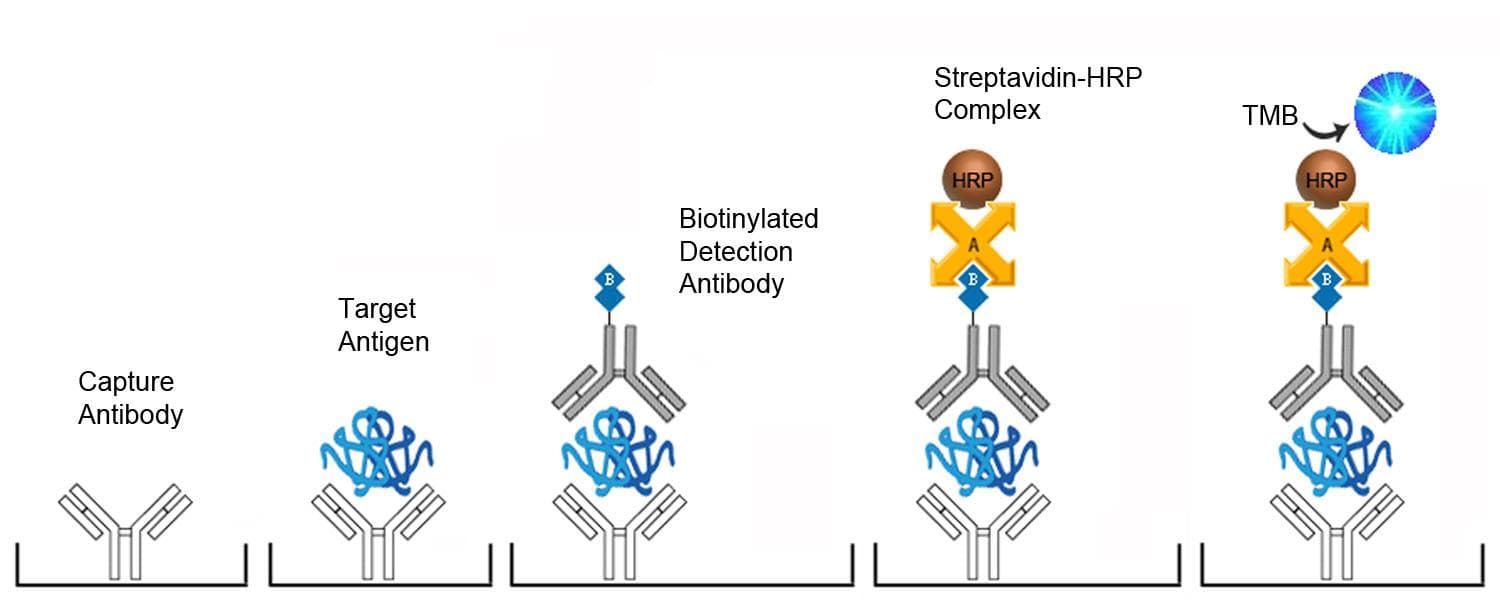
Catalog Number: LS-F7607-1
1 plate / $763.00
Reactivity: Mouse
Detection Method Colorimetric
Format: 96-Well Strip Plate
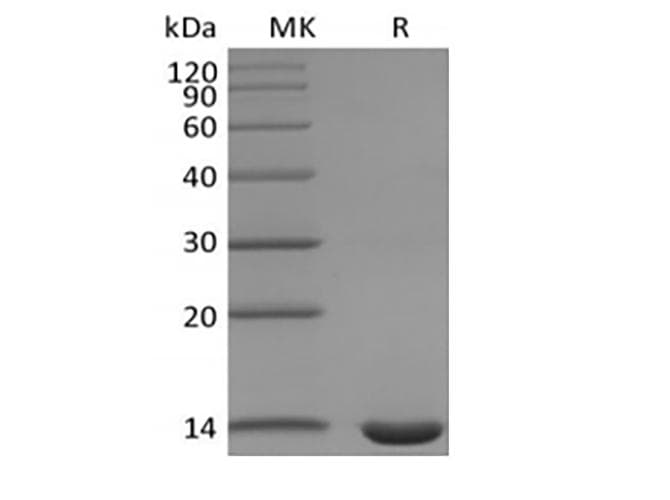
Catalog Number: LS-G146501-10
10 µg / $230.00
Expression System Escherichia coli (Prokaryotic)
Format: Lyophilized
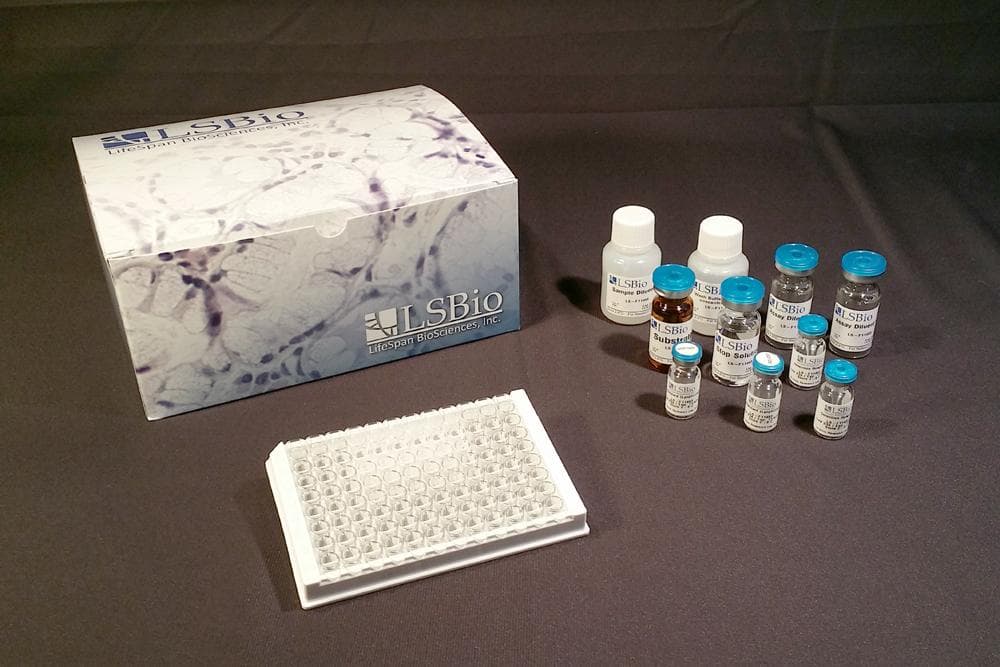
Catalog Number: LS-F16533-1
1 plate / $683.00
Reactivity: Mouse
Detection Method Colorimetric
Format: 96-Well Strip Plate
Catalog Number: LS-C810618
4 sizes / from $230.00
Antibody: Rat Monoclonal
Applications: Flow Cytometry, Immunofluorescence, Immunohistochemistry (general)
Reactivity: Mouse
Format: Liquid
Catalog Number: LS-F39632-1
1 plate / $828.00
Reactivity: Mouse
Detection Method Colorimetric
Format: 96-Well Strip Plate
Catalog Number: LS-F14361-1
1 plate / $683.00
Reactivity: Mouse
Detection Method Colorimetric
Format: 96-Well Strip Plate
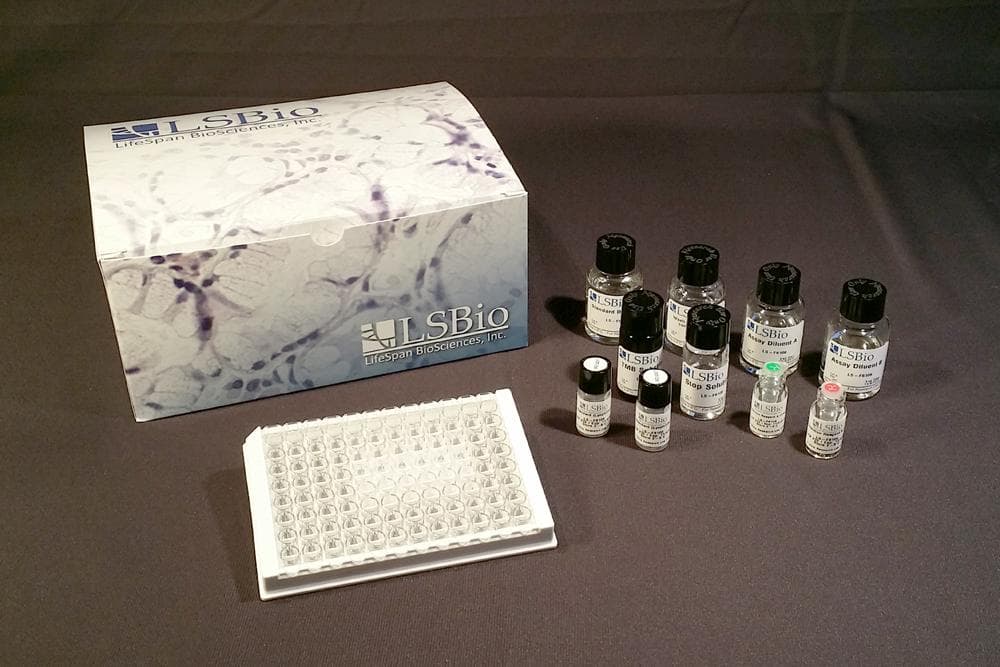
Catalog Number: LS-F30440-1
1 plate / $670.00
Reactivity: Mouse
Detection Method Luminescent / Chemiluminescent
Format: 12 x 8-Well Microstrips