
LSBio
IHC-plus™ ACHE / Acetylcholinesterase Antibody

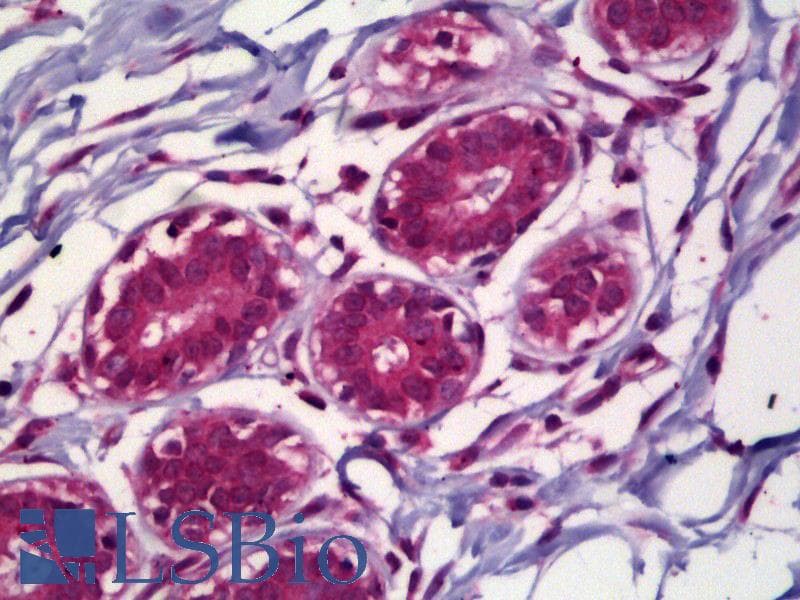
Anti-Acetylcholinesterase antibody IHC of human breast. Immunohistochemistry of formalin-fixed, paraffin-embedded tissue after heat-induced antigen retrieval. Antibody concentration 2.5 ug/ml.

IHC-plus™ ACHE / Acetylcholinesterase Antibody

Primary AntibodyLSBio Guarantee
Antibody:Rabbit Polyclonal
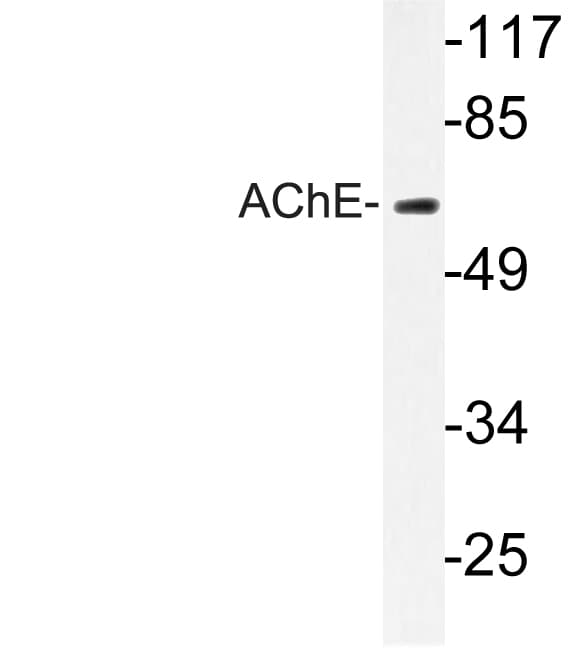
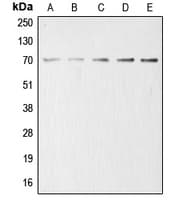
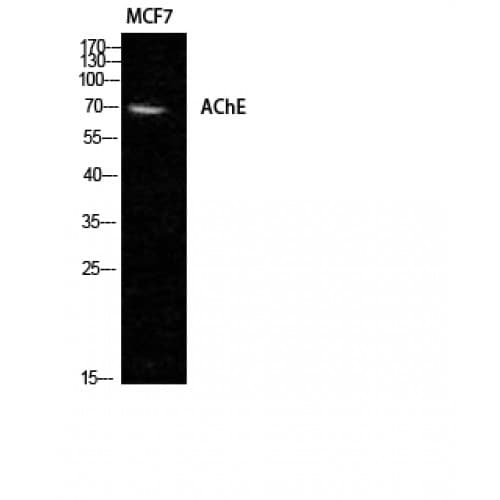
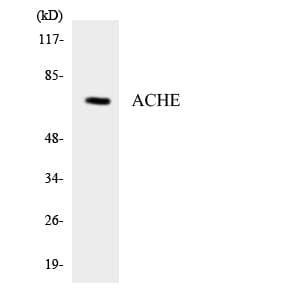
Applications:Immunohistochemistry (general), Immunohistochemistry, Paraffin, Western Blot
Reactivity:Human
Format:Liquid
See all ACHE / Acetylcholinesterase antibodies →
$383.00each
Catalog Number: LS-B6676-50

For bulk orders or custom formulations:

Request a Quote

Overview

Description
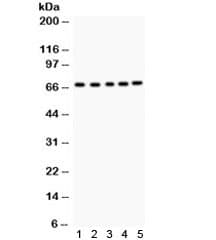
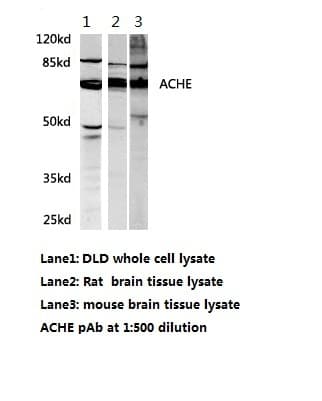
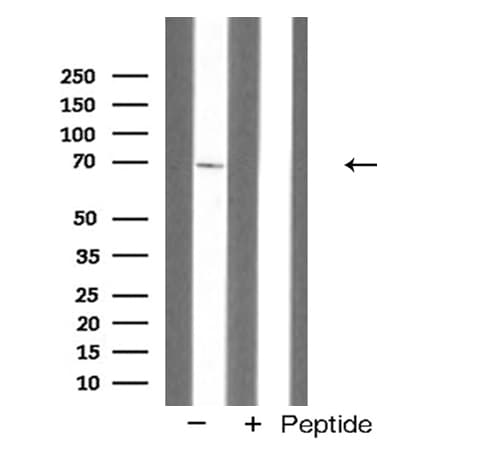
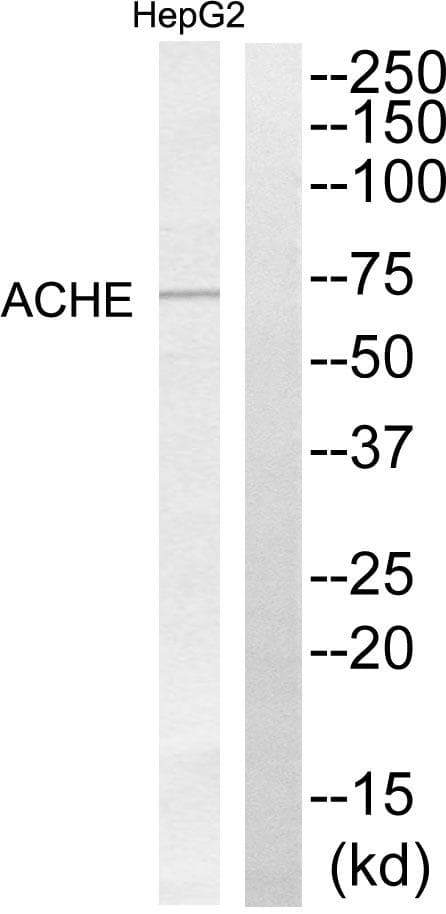
Acetylcholinesterase antibody LS-B6676 is an unconjugated rabbit polyclonal antibody to human Acetylcholinesterase (ACHE). Validated for IHC and WB. Tested on 20 paraffin-embedded human tissues. Cited in 1 publication.
Application
IHC, IHC-P, WB
Reactivity
Hu
Intended Use
Research Use Only
Guarantees
This product carries the LSBio 100% Guarantee.
Category
Antibodies > Primary Antibodies > Polyclonal Antibodies
Alternative Names
ACHE | ACEE | Acetylcholinesterase | N-ACHE | Yt blood group | ARACHE | YT
Recommended Dilution: IHC-P
2.5 µg/ml
Recommended Dilution: WB
1:1000 - 1:4000
UniProt Number
P22303
NCBI GenBank
NM_015831
SwissProt
P22303

Target

Target
ACHE / Acetylcholinesterase
Antigen Species
Human
Specificity
This Polyclonal antibody can identify the AChE-S form but not the AChE-R form.
Epitope
This Polyclonal antibody can identify the AChE-S form but not the AChE-R form.
Gene Name
ACHE

Antibody

Host Species
Rabbit
Clonality
Polyclonal
Origin Species
Human

Immunogen

Immunogen
Synthetic peptide
Immunogen Type
Synthetic Peptide (Linear)

Format

Conjugate/Label
Unconjugated
Format
Liquid
Formulation
PBS, pH 7.4, 0.02% Sodium Azide
Concentration
1 mg/mL
Volume
50 Microliter
Animal Free
No
Carrier-Free
Yes
Preservative
Yes
Purification Method
Protein A Affinity

Storage & Handling

Storage Conditions
Short term: store at 4°C. Long term: aliquot and store at -20°C. Avoid freeze-thaw cycles.
Recommended Storage Buffer
PBS
Impaired sweating in patients with cholinergic urticaria is linked to low expression of acetylcholine receptor CHRM3 and acetylcholine esterase in sweat glands. Yiyu Wang, Jörg Scheffel, Carolina Ayala Vera, Wei Liu, Dorothee Günzel, Dorothea Terhorst-Molawi, Marcus Maurer, Sabine Altrichter. Frontiers in immunology. 2022 August;13:955161. PubMed: 35967390 PMC: PMC9373796

Request SDS/MSDS

To request an SDS/MSDS form for this product, please contact our Technical Support department at: technical@vectorlabs.com.